Enhance Your Brand: The Power of Professional Photography in Business Growth
In the current competitive landscape, the significance of professional photography cannot be overstated. Companies that prioritize high-quality visuals frequently benefit from improved reputations and greater consumer confidence. Visual narratives serve a critical function in establishing genuine connections with target audiences. However, not all images serve the same purpose. Knowing how to select the ideal photographer and leverage visuals strategically can create a significant impact. What strategies can brands employ to maximize the impact of their imagery?
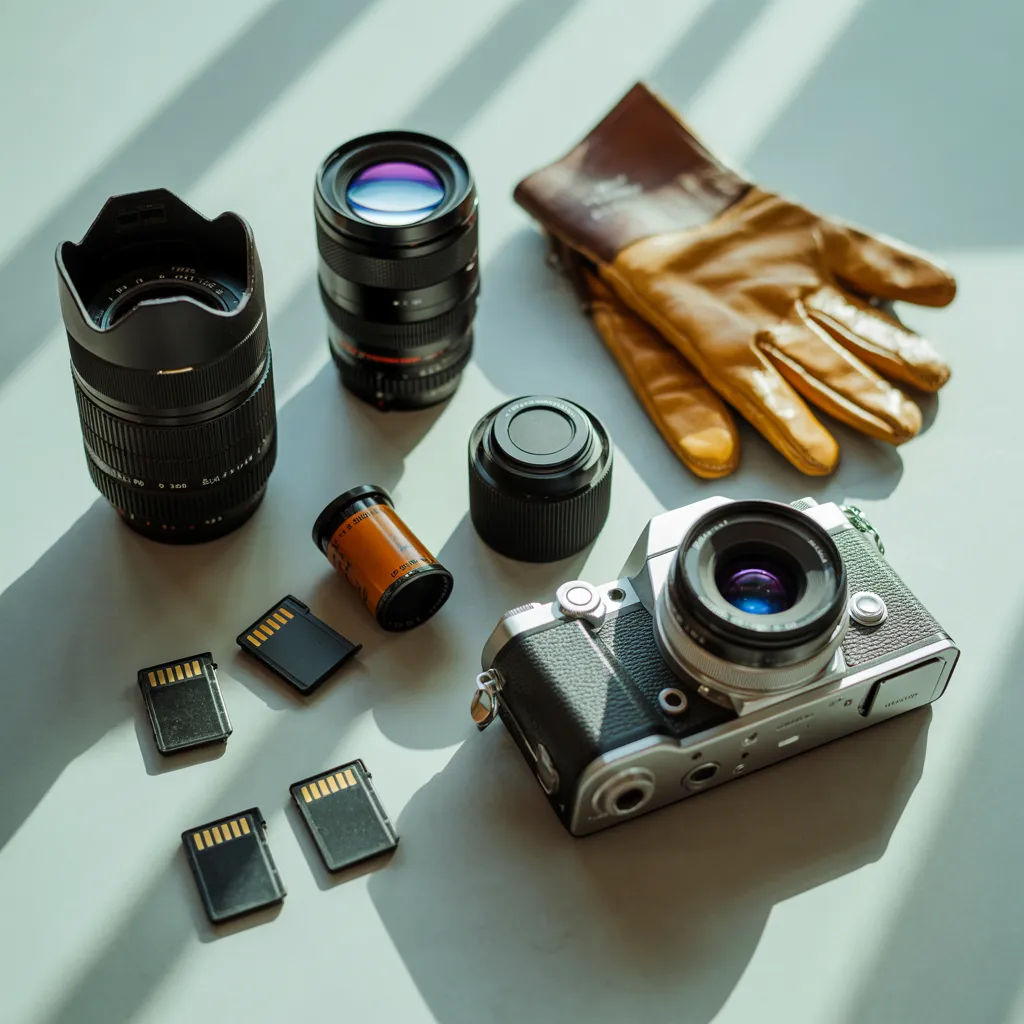
Reasons Why Professional Photography Deserves Your Attention
What makes professional photography a worthwhile investment for businesses? This can be understood through the significance of first impressions. Premium-quality photos can significantly elevate a brand's reputation, reflecting a polished and detail-oriented approach. Within a visually oriented business landscape, new customers commonly form opinions about a brand from its imagery. High-end photography highlights products and services at their finest, capturing and maintaining the curiosity of prospective buyers.
In addition, consistent and polished visuals help establish a recognizable brand identity. Authenticity is essential; images taken by professionals can craft a relatable story that resonates with audiences. Investing in this can produce increased engagement across various platforms, from social media to websites.
In the end, organizations that invest in high-quality photography position themselves as leaders in their industry, fostering confidence and reliability. In an era where imagery holds unparalleled power, the demand for high-quality visuals is not just valuable—it's essential for long-term success.
The Impact of Visual Storytelling on Brand Engagement
In the modern competitive environment, visual storytelling has become an essential instrument for brand connection. By crafting stories through visuals, companies can forge meaningful bonds with their viewers, making their messages more relatable and memorable. This methodology surpasses standard promotional techniques, permitting organizations to convey their principles, objectives, and identity through powerful visuals.
Effective visual storytelling attracts interest and builds stronger connections, inspiring audiences to connect with the brand. It empowers organizations to display their products and services meaningfully, demonstrating how they improve daily living. With thoughtfully selected visuals, companies can emphasize their distinctive advantages and distinguish themselves within their industry.
In addition, visual narratives strengthen digital presence, as compelling content expands reach and promotes audience involvement. Through leveraging premium visuals that connect with intended audiences, brands can cultivate loyalty and drive engagement, which ultimately drives lasting commercial achievement.
How Superior Images Strengthen Consumer Trust
Superior-quality photographs serve as a cornerstone for establishing consumer trust in today's digital marketplace. They provide a visual representation of a brand's identity, conveying professionalism and attention to detail. When consumers are presented with clear, professionally composed visuals, they are more likely to view the brand as trustworthy and dependable. This impression is vital, especially in an environment saturated with rivals and misleading content.
Moreover, professional images significantly improve the overall user experience, transforming websites and social media channels into more compelling destinations. They enable prospective customers to picture products or services, cultivating a sense of familiarity and ease. As consumers increasingly rely on visual cues to inform their purchasing decisions, brands that invest in professional photography distinguish themselves find this resource from competitors.
Ultimately, the significance of superior quality images goes far beyond visual appeal; they cultivate a firm foundation for confidence, nurturing customer loyalty and fueling business growth.
How to Select the Best Photographer
Choosing the right photographer is vital for connecting visual content with a business's identity. It entails carefully defining the company vision, reviewing the quality of the photographer's previous work, and examining budget options. By addressing these key factors, businesses can form informed decisions that enhance their visual identity.
Establish Your Brand Vision
A well-defined brand identity acts as the cornerstone for selecting the ideal photographer. Businesses must first establish their values, identity, and target audience, as this understanding directs the photography style needed to successfully convey their vision. Determining whether the company gravitates toward a modern, minimalist aesthetic or a bold, energetic style is critical. Furthermore, defining targeted aims—such as strengthening online impact or developing compelling promotional content—will influence the decision on a photographer whose capabilities corresponds to these goals. By recognizing the desired emotional response from the target market, companies can ensure they choose a photographer who can reflect the spirit of their brand. This purposeful approach greatly improves the general impact of the photographic narrative.
Evaluate Portfolio Quality
When reviewing photographers, the standard of their portfolio serves as a vital indicator of their abilities. A thorough portfolio showcases a range of styles and subjects, allowing interested clients to gauge the photographer's technical skills and versatility. It is essential to look for consistency in lighting, composition, and image quality, as these factors reflect the photographer's attention to detail. Moreover, assessing prior work relevant to the specific field can shed light on how well the photographer comprehends branding and marketing requirements. Client testimonials or case studies accompanying the portfolio may also boost credibility. Ultimately, a thoughtfully curated portfolio not only demonstrates artistic vision but also indicates the photographer's ability to deliver results that match a business's objectives.
Explore Budget-Friendly Options
Reviewing portfolio standards establishes the groundwork for finding the most suitable photographer, but budget considerations are equally important in the selection process. Businesses must establish a clear budget that supports their marketing objectives. This budget should cover not only the photography fees but also other potential costs, such as licensing, travel, and editing costs. Evaluating several photographers helps companies achieve a balance between quality and affordability. It is essential to outline needs and expectations from the start to eliminate surprise charges. Furthermore, some photographers might present bundled packages or reduced rates for larger projects, providing further options for cost-aware companies. In the end, thorough budget management can result in a successful collaboration that strengthens brand identity without overspending.
Leveraging Images Successfully Across Platforms
Utilizing the power of images can considerably boost a business's presence across numerous platforms. Effective image use requires an understanding of the specific characteristics of each platform. For one thing, striking, compelling visuals work well on social media, driving user participation and reach. In contrast, crisp, high-quality images are essential for websites and e-commerce platforms, where they foster trust and credibility.
Furthermore, a consistent visual style—color schemes, fonts, and image quality—solidifies brand identity. Adapting images for specific formats, such as square for Instagram and landscape for Facebook, secures an ideal display and user experience. Furthermore, including images within email marketing has the potential to considerably enhance open and click-through rates.
Case Studies: What Successful Brands Can Teach Us
Top businesses reveal the remarkable difference of expert photography on business success. As a case in point, a distinguished cosmetics company overhauled its promotional approach by incorporating high-quality images that presented its product line in authentic environments. This change generated a 30% improvement in web-based sales in just six months, illustrating the power of attractive visual material.
In the same way, a upscale hotel chain utilized high-quality photography to highlight its unique amenities and spectacular views. The impressive imagery not only improved their website but also elevated their social media presence, generating a 50% growth in bookings made directly.
An additional case is a apparel company that prioritized a consistent visual presence through professional shoots. This method not only strengthened its brand identity but also developed a faithful customer community, reflected in a 40% growth in customer retention rates. These case studies illustrate how the thoughtful integration of professional photography can substantially strengthen brand identity and drive business success.
Commonly Asked Questions
How Much Should I Budget for Professional Photography Services?
Planning a budget for professional photography typically ranges from $500 to $5,000, based on considerations such as project scope, photographer expertise, and licensing rights. Companies should evaluate their requirements to establish a suitable budget within this range.
Is It Possible to Use Stock Photos Rather Than Hiring a Professional?
Employing stock photography may serve as a budget-friendly option to hiring a professional, but they may miss the mark on genuineness and distinction. Businesses should weigh the advantages of unique content against financial limitations when selecting photo strategies.
How Regularly Should I Update My Brand Visuals?
Brands must update their images every one to two years to stay aligned with modern trends and preserve their relevance. Regular refreshes ensure the brand aesthetic up to date, connecting with audiences and strengthening brand loyalty through steady, polished imagery.
What Types of Photography Are Best for My Industry?
Lifestyle, product, and event photography serve as fundamental across most industries. Companies should focus on superior-quality visuals that engage their target audience, showcasing authenticity and professionalism to enhance brand perception and customer engagement meaningfully.
How Do I Measure the Effect of Photography on My Brand?
To evaluate photographic content's effect on a brand, one can study engagement metrics, monitor conversion data, solicit client feedback, and assess brand recognition through surveys, ultimately assessing how photographic content impacts overall company performance.